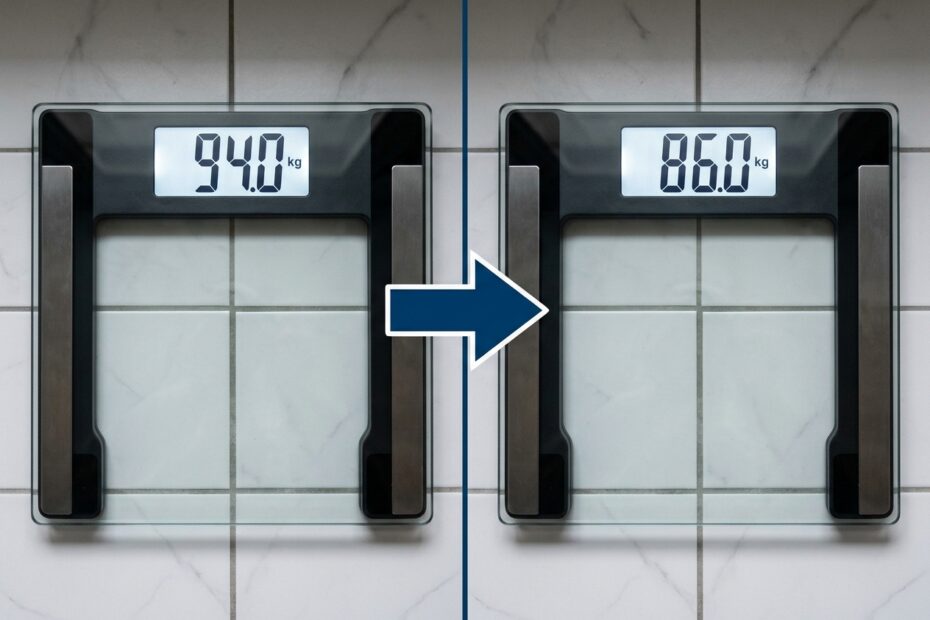
We have all been sold the myth of the quick fix. Drop 5 kilos in a week, go keto overnight, or survive on green juice while trying to hold down a demanding professional schedule and heavy physical training. Good luck with them.
I have been down that road. Over the years, I tried many methodologies to lower my weight and maintain it low: strict calorie restriction, slow carb runs, and intermittent fasting protocols. Inevitably, the pattern repeated itself—initial success followed by a grinding plateau, low energy, and a predictable slide right back into old habits. Slow carb was also too restrictive for an Italian grown on Pizza, Pasta and Bread; trying to replace them with beans literally takes away the pleasure of living. Intermittent fasting is also another myth; while it delivers amazing health benefits the idea of “eat what you want and how much you want within a short window of time within the day” simply doesn’t deliver all of these benefits.
Earlier this year I felt sluggish and often more tired than I should. I also had my Achilles tendons permanently inflamed and painful. I decided this time it was the right time to lose some real weight. This time, the approach had to be different. At 6 to 8 hours of heavy weekly training, crash dieting isn’t just ineffective; it is actively destructive to performance, recovery, and resilience.
Here is how I structured a sustainable, multifaceted approach to drop 8 kg in 4 months (a steady, manageable 2 kg per month / 500g per week) while keeping my training sharp and my energy high.
The strategy: setting the right target (2 Kg per month)
The secret to sustainable body recomposition is removing the urgency. When you aim to drop weight too fast, your body fights back by suppressing metabolism and driving intense cravings.
By targeting 500 grams per week, the deficit remains manageable. It is small enough that your energy systems adapt smoothly, yet consistent enough that the compounding effect delivers massive results over a 16-week window. Slow and steady doesn’t just win the race—it keeps you out of the kitchen raiding the pantry at midnight.
The nutritional framework: slow-carb principles and systematic reductions
Instead of an arbitrary, restrictive diet, I relied on three core adjustments to my daily eating habits:
- Mindful food selection & slow-carb swaps: I didn’t eliminate my favourite carbohydrates entirely—that kills training performance and reduce the pleasure of life. Instead, I paid close attention to what I ate. I leaned heavily into slow-carb principles, frequently replacing refined bread, pasta, and other white carbs with nutrient-dense, high-fibre legumes like beans. This kept blood sugar stable and energy levels level throughout the day.
- Systematic portion reduction: no calorie counting apps or obsessive weighing of every gram of food. Instead, I simply reduced my normal meal portions systematically by 10% to 20%. It was a small enough reduction that my brain and stomach barely noticed, yet it created the exact caloric deficit needed for steady fat loss. My usual pasta portion when cooking used to be 125g. Now it’s 110g. In cases where I used to have 2-3 slices of bread, I now have 1. I used to have a steak with chips or roasted potatoes now it’s with a bean salad. Beans fill me even more and I don’t feel the need of others carbs afterward.
- Added more nuts to my diet: I try to eat a few Brazil or Walnuts after lunch to add energy and reduce cravings.
- Strategic Sweets Control: chocolate and sweets weren’t banned forever—which only creates psychological rebellion—but they were cut down to rare exceptions rather than daily habits. When craving kicks in I eat a few nuts or a couple of teaspoons of almond butter, which for me it’s a great replacement to chocolate and it doesn’t carry many of the downsides.
Why weight matters: health, sleep, and high-volume training
Carrying extra weight extracts a hidden tax on everything you do, especially when you are putting your body through 6 to 8 hours of intensive training every week.
Shedding those 8 kilograms transformed several core areas:
- Training efficiency & power output: moving less dead weight changes your mechanics instantly. Agility, recovery between hard rounds or intervals, and joint health all improve when the chassis is lighter and more efficient. Short after the first 4 Kg left my body my Achille’s tendons stopped being inflamed and hurt
- Sleep quality: dropping excess mass—even visceral fat that you might not immediately notice—unwinds the central nervous system. Recovery deepens, nocturnal resting heart rates drop, and sleep becomes genuinely restorative.
- Long-term health resilience: being at the right weight removes chronic, low-grade systemic inflammation, protecting joints, metabolic markers, and immune function under heavy physical loads.
Why this time worked (when past diets failed)
Every previous iteration—whether strict calorie counting, pure intermittent fasting, or rigid low-carb phases—failed because they were treated as events rather than systems. They relied on willpower rather than architecture.
This approach succeeded because it was integrated into daily life. By relying on slow-carb swaps (like beans instead of refined carbs) and minor, painless portion trims, I never felt deprived. The weight came off quietly in the background while performance in training remained front and centre.