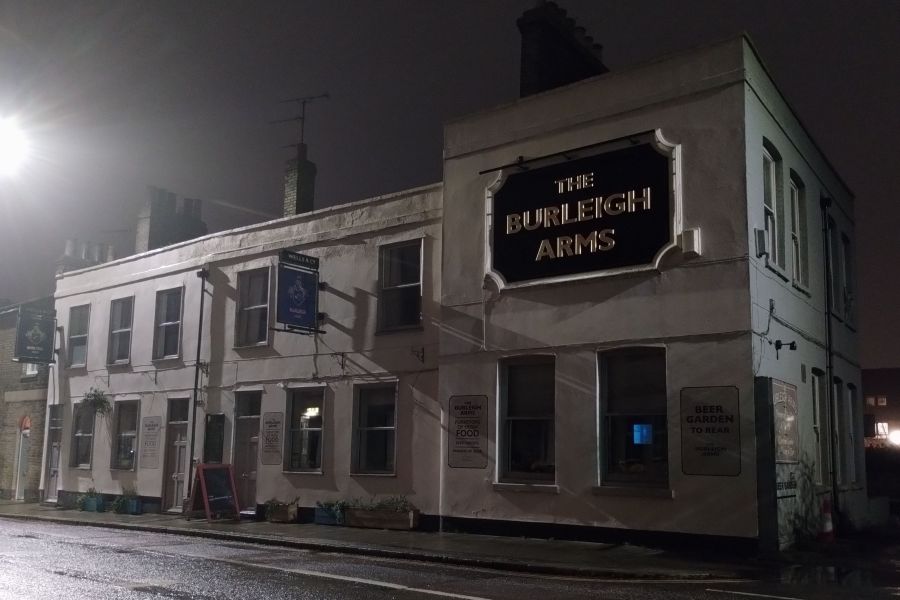
The “Great British Pub” is more than just a place to grab a pint; it is a cultural landmark. Yet, as we move through 2026, the industry is facing a quiet extinction. For those of us who organize events and run networking groups, we see the empty tables and the “Closed” signs firsthand. We have the desire—and the “micro-power”—to help, but sometimes the very establishments we try to save seem determined to pull the shutters down themselves.
The numbers: a sombre reality
The statistics for the last three years paint a grim picture of the hospitality landscape in England and Wales. Despite various government interventions and “Save Our Pubs” campaigns, the attrition rate remains staggering:
| Year | Total Pub Closures (Approx.) | Rate of Closure |
| 2023 | 386 | ~1 per day |
| 2024 | 412 | ~1.1 per day |
| 2025 | 378 | ~1 per day |
Over the last five years, more than 2,000 pubs have vanished for good—demolished or converted into flats and offices. These are not just businesses; they are community hubs that, once gone, almost never return.
My “silent investor” strategy
As an organizer of networking groups and social dinners, I view my event planning as a form of local investment. I don’t ask for commissions or any recognition.” My “commission” is seeing a local business thrive so it’s still there next year. When I see a promising pub struggling for footfall, I sometimes try to steer my business—and the business of 20+ professionals—through their doors. In a normal economy, a 20-person dinner booking is a “win.” In a struggling economy where pubs are closing 3–4 days a week to save on electricity and staff costs, it should be received as a lifeline.
When help is refused: the case of The Burleigh Arms
Recently, my efforts hit a wall of baffling bureaucracy mixed with what I would call obtuse management strategies at The Burleigh Arms in Cambridge. Despite the pub currently being closed for a significant portion of the week, their approach to large bookings suggests they are far more comfortable than the industry data implies.
- The first encounter: early last year, I organized a dinner for nearly 20 people. After accepting the booking over the phone, the venue informed us—on arrival—that we couldn’t use the dining room. We were relegated to the bar area with a heavily restricted menu. It felt like being a “second-class” customer despite bringing a high-value group.
- The second attempt: Thinking it might have been a one-off misunderstanding, I visited in person for a future event. I even offered to preorder food from a given menu. The response was even more rigid: any group over 10 people is restricted to “bar food” in the bar area. No access to the full dinner menu; no dining room booking.
The numbers don’t add up
The irony is palpable. The Burleigh Arms was recently named one of the “Top 100 Gastropubs” in the UK—a prestigious nod to their food quality. Yet, they are effectively gatekeeping their own kitchen. If a pub is struggling enough to remain dark 3 or 4 days a week, turning away a group of 20 diners is not just “inflexible”—it’s a commercial tragedy. A group of that size, including drinks, appetizers, and mains, easily represents thousands of pounds in annual potential revenue. The Lesson for Hospitality: You cannot win awards for your food if you refuse to let people sit down and eat it.
Conclusion: hospitality must be hospitable
The industry is in a crisis, and the “rules” of the 2010s no longer apply. While I understand the operational stress of large groups, the alternative is a permanent “For Sale” sign. If independent pubs want to survive the 2026 climate, they need to embrace the people trying to bring them business, rather than hiding behind rigid policies that serve no one—least of all their own bottom line.